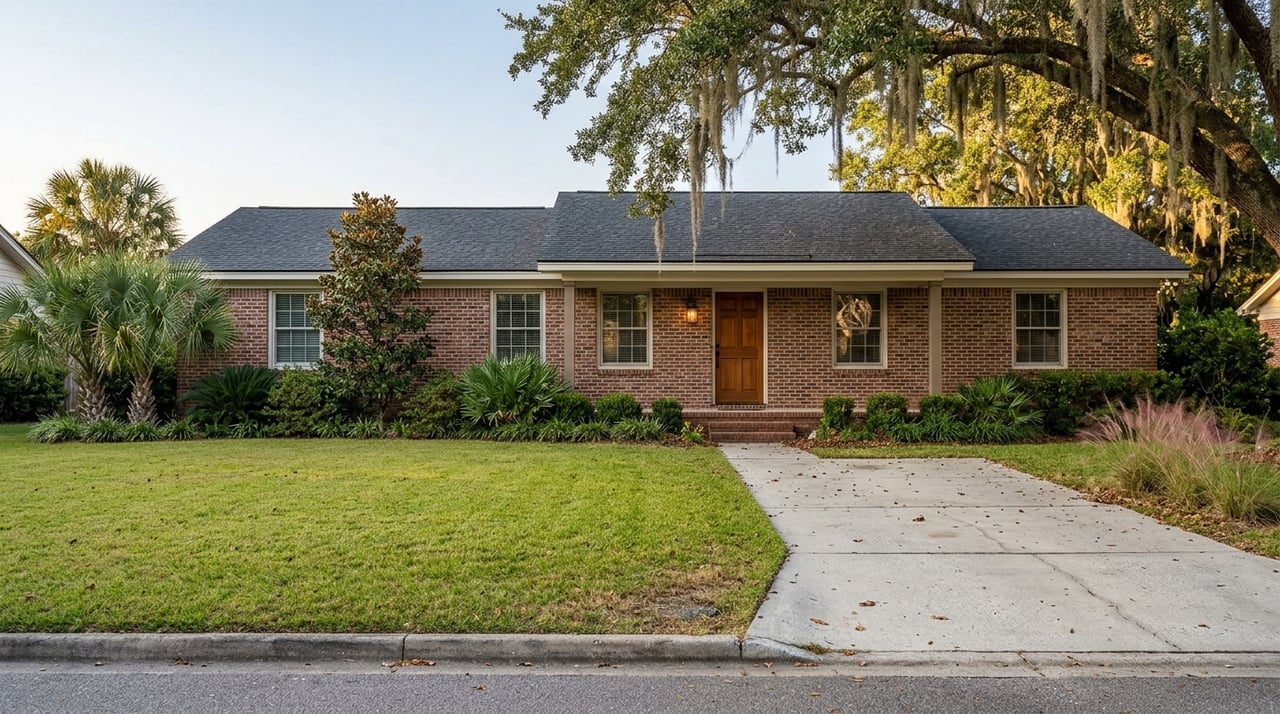
If you work in Savannah, choosing where to live in Richmond Hill is not just about square footage or curb appeal. Your daily drive can feel very different depending on how quickly you can reach SR 144, US 17, or I-95 and where in Savannah you need to be. The good news is that Richmond Hill is well positioned for many Savannah-bound commuters, and understanding the area’s road pattern can help you narrow your search with more confidence. Let’s dive in.
Why Richmond Hill Works for Savannah Commuters
Richmond Hill sits about 12 miles south of Savannah and is widely understood as part of the Savannah commuter pattern. Bryan County data shows that most residents travel outside the county for work, with many heading toward Savannah and surrounding Chatham County. In 2024, the countywide mean commute time was 32.0 minutes, and 52% of county residents commuted 10 to 24 miles.
That does not mean every home in Richmond Hill offers the same commute experience. In real life, commute convenience often comes down to road access, traffic flow, and your final destination in Savannah. A home that looks close on a map may still feel less convenient if it takes longer to reach the main corridors.
The Roads That Shape Your Commute
Richmond Hill’s main commuting corridors are SR 144, US 17, and I-95. These routes do most of the heavy lifting for residents heading north toward Savannah or connecting to other parts of the region. The city’s planning documents also point to two key I-95 access points: Ford Avenue at Exit 90 and Highway 17 at Exit 87.
Commercial development in Richmond Hill is concentrated along Highway 17 and SR 144, especially near their intersection and around the I-95 interchanges. That matters because it often puts shopping, services, and major road access in the same general areas. For many buyers, that can make day-to-day life more efficient, not just the drive to work.
SR 144 Access
If you want a home that helps you get moving quickly, access to SR 144 can be a practical plus. Since SR 144 is one of the main east-west routes through Richmond Hill, homes closer to it may offer a more direct path toward the larger commuting network. That can be helpful if your routine includes school drop-offs, errands, or multiple stops before heading to Savannah.
US 17 Access
US 17 bisects the city and remains a major corridor for local movement and northbound travel. Homes with straightforward access to US 17 may appeal to buyers who want a familiar surface-road route through the area and into the broader Savannah corridor. It can also place you closer to many of the commercial areas used for everyday needs.
I-95 Access
For some commuters, being able to reach I-95 efficiently is the biggest factor of all. Richmond Hill’s access around Exit 90 and Exit 87 can make certain parts of town feel especially convenient for households whose jobs require regional travel or a more highway-based routine. If your work hours are strict or you commute beyond Savannah at times, quicker interstate access may deserve extra weight in your home search.
How Different Richmond Hill Areas May Feel
Richmond Hill has more than 65 neighborhoods and residential clusters, with a housing mix that includes detached single-family homes, attached homes, townhomes, duplexes, apartments, and assisted living. Single-family housing makes up roughly 75% of the housing types, and more than 90% of the housing stock was built after 1990. That gives buyers a wide range of options, but the commute feel often depends less on the age of the home and more on how the area connects to the main roads.
Instead of thinking about Richmond Hill as one commute experience, it helps to think in terms of access patterns. Some areas feel more corridor-connected. Others feel more tucked away inside residential streets.
Areas Near Main Corridors
Homes closer to SR 144, US 17, and the I-95 interchanges may feel more convenient for Savannah commuters. You may spend less time working your way through interior streets before you get onto the roads that actually carry you north. That can also make everyday errands simpler since many commercial and service uses are tied to those same arterial roads.
For buyers who value efficiency, this setup can be a strong fit. If you leave home early, keep a tight schedule, or simply want easier access to stores and services, corridor proximity may matter as much as the home itself.
Areas Deeper Inside Residential Streets
Homes deeper within residential sections of Richmond Hill may offer a different kind of appeal. They can feel more removed from the main traffic routes and may suit buyers who prioritize a quieter setting once they are home. The tradeoff is that the drive can involve more time getting to the major roads that connect you with Savannah.
That tradeoff is not inherently good or bad. It simply depends on what matters most to you. Some buyers are happy to add a few minutes to the front end of the commute if it means coming home to a more tucked-away setting.
Matching Your Home Search to Your Work Routine
A smart Richmond Hill home search starts with your actual weekly routine, not just a commute estimate. If you work in downtown Savannah, your experience may differ from someone commuting to southside Savannah or making regional drives a few times a week. Looking at your destination first can help you focus on the parts of Richmond Hill that fit best.
As you compare homes, ask yourself questions like these:
- How often do you commute to Savannah each week?
- What time do you usually leave home and return?
- Do you need fast interstate access or do local connector roads matter more?
- Do you prefer easy access to shopping and services along major roads?
- Are you willing to trade a little commute efficiency for a more tucked-away residential setting?
These questions can save you time and help you avoid falling in love with a house that does not fit your daily life. A good location match is about how the home supports your routine, not just how it looks online.
Commute Plus Errands Matters Too
One detail many buyers overlook is how errands fit around the commute. In Richmond Hill, commercial activity remains centered along Highway 17, SR 144, and near the I-95 interchanges. That means some homes may make it easier to combine your work drive with groceries, appointments, or quick household stops.
If your weekdays are busy, this can make a real difference. A home with easier access to those commercial areas may help streamline your day, especially if you are balancing work, family schedules, and weekend travel.
What About Transit Backups?
Most Savannah commuters living in Richmond Hill will still be driving, but it helps to know what backup options exist. Bryan County notes that Coastal Regional Coaches operates a demand-response, advance-reservation service for Bryan and Chatham counties. It runs Monday through Friday from 7 a.m. to 5 p.m. and is available to anyone, for any purpose, and to destinations in the coastal region.
Once you are in Savannah, CAT operates a fixed-route network connecting historic downtown with greater Savannah. Downtown Savannah also has DOT loop service that connects visitor centers, parking facilities, attractions, shops, restaurants, and hotels. The Savannah Belles Ferry provides free service between River Street and Hutchinson Island.
For most households, these options are not likely to replace a regular car commute from Richmond Hill. Still, they can be useful to know about if you want a backup plan or a more flexible routine for certain trips.
What Buyers Should Focus On First
When you are comparing Richmond Hill homes for a Savannah commute, keep your attention on a few key factors:
- Access to SR 144, US 17, or I-95
- The location of your actual Savannah destination
- How much daily convenience you want for errands and services
- Whether you prefer a corridor-connected location or a more interior residential setting
- The type of home that fits your household, since Richmond Hill offers everything from townhomes to larger single-family homes
This kind of side-by-side thinking can make your search much clearer. It also helps you choose a home based on how you live, not just on price or photos.
A Local Perspective Goes a Long Way
If you are relocating or buying from out of town, Richmond Hill can look simple on a map but feel very different once you understand the road network. Two homes with similar prices may offer very different daily convenience depending on how they connect to SR 144, US 17, and I-95. That is where local guidance becomes especially valuable.
A patient, local approach can help you compare areas in a way that matches your work schedule, household needs, and long-term plans. If you want help narrowing down Richmond Hill homes that make sense for your Savannah commute, reach out to Juanita Lowery for clear, local guidance tailored to your move.
FAQs
How far is Richmond Hill from Savannah for commuters?
- Richmond Hill is approximately 12 miles south of Savannah, but your actual commute will depend on road access, traffic, and where in Savannah you are going.
Which roads matter most for a Richmond Hill to Savannah commute?
- The main commuting corridors are SR 144, US 17, and I-95, with key interstate access at Ford Avenue Exit 90 and Highway 17 Exit 87.
Do all Richmond Hill neighborhoods have the same commute feel?
- No. Homes closer to the main corridors often feel more convenient for commuting, while homes deeper inside residential streets may involve more drive time before reaching major roads.
Is Richmond Hill mainly single-family housing?
- Richmond Hill includes several housing types, but roughly 75% of the housing mix is single-family, and more than 90% of the housing stock was built after 1990.
Are there transit options between Richmond Hill and Savannah?
- Bryan County offers Coastal Regional Coaches as a demand-response, advance-reservation service, and Savannah has CAT fixed routes, downtown DOT loops, and the free Savannah Belles Ferry for certain local trips.
What should I consider first when choosing a Richmond Hill area for commuting?
- Start with your actual work destination, your preferred road access, your errand routine, and whether you want a more connected location near main roads or a more tucked-away residential setting.