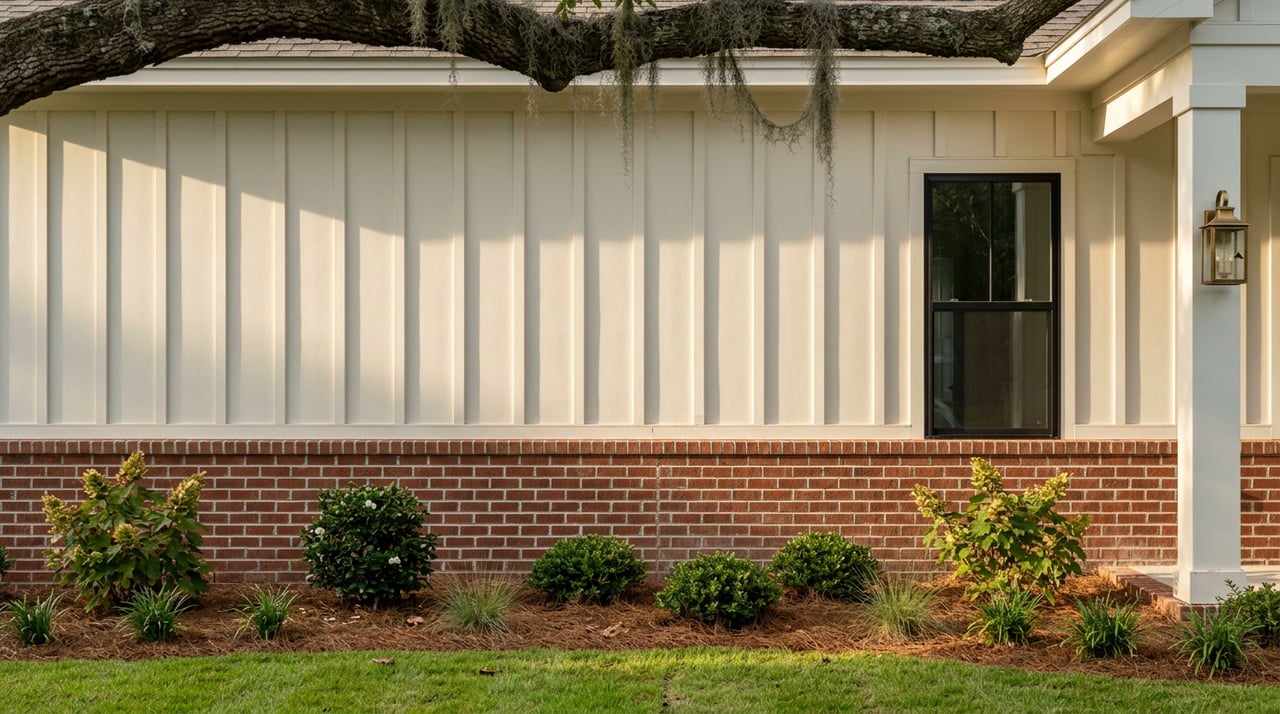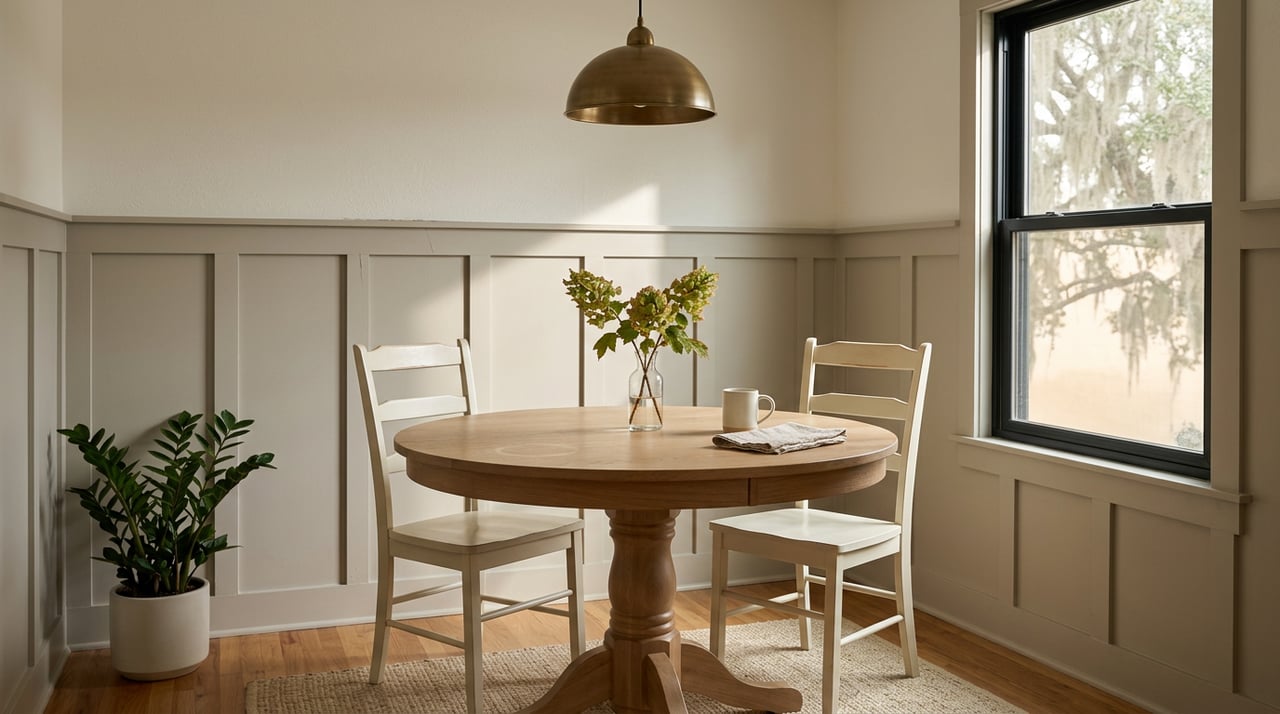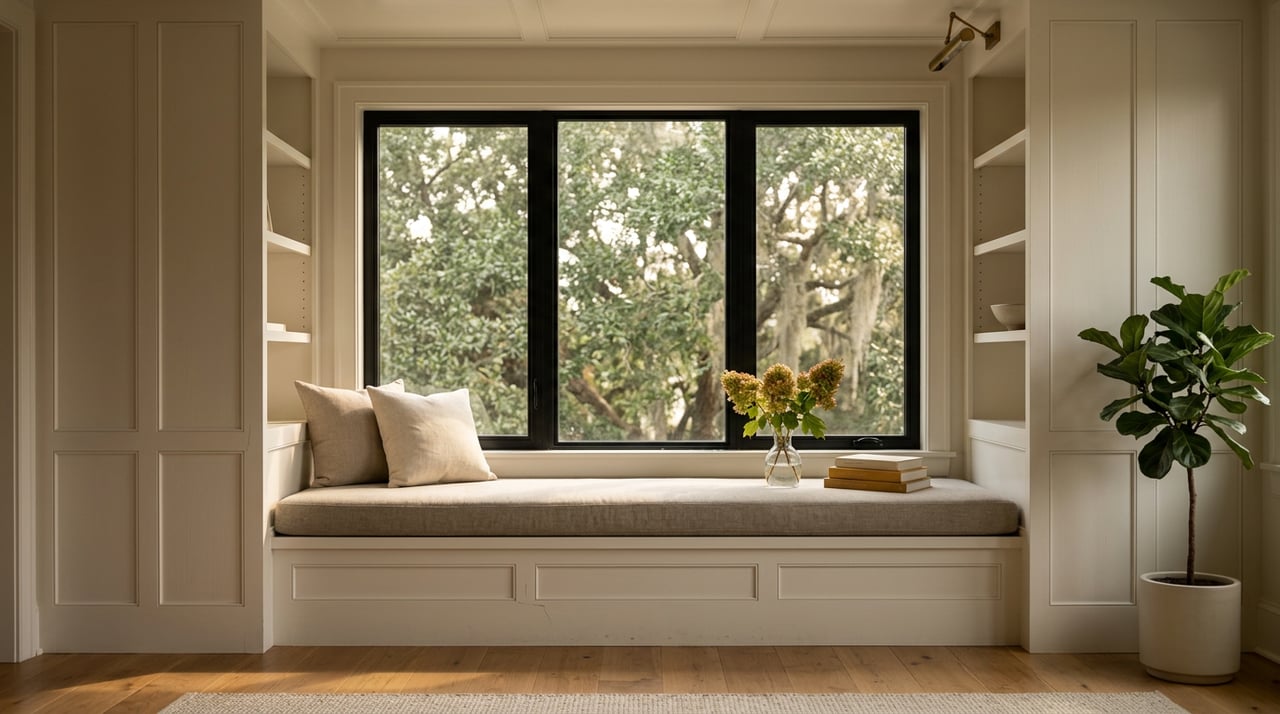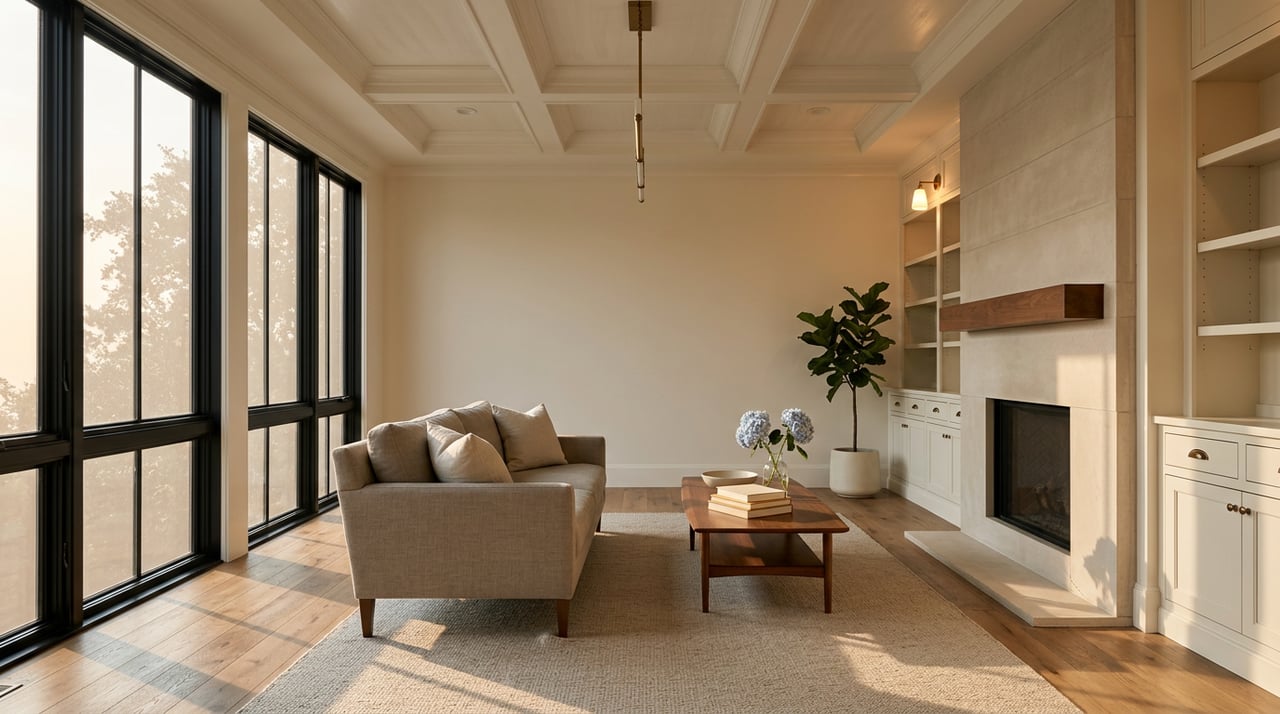
You have more choices than ever when you buy new construction in Pooler. That feels exciting, but it can also be overwhelming when your builder’s option list runs a mile long. You want a home that fits life in coastal Georgia, keeps monthly costs predictable, and holds its value when you sell.
This guide breaks down the features Pooler buyers ask for most and why they matter in our hot, humid climate. You will see what to prioritize for day‑to‑day comfort, tech readiness, outdoor living, and storm resilience, plus a practical checklist to use on model tours and contracts. Let’s dive in.
Energy efficiency and indoor comfort
Pooler’s climate is warm and humid for much of the year, so comfort starts with smart energy choices. A well‑sized, high‑efficiency HVAC system with strong dehumidification can make a big difference in both comfort and utility bills. Pair that with solid insulation, sealed ducts, and high‑performance windows to keep cool air inside and moisture out.
Buyers also look for ENERGY STAR appliances, LED lighting, and efficient water heaters. Many new builds offer solar‑ready wiring and smart thermostats to help manage cooling costs. Documented performance, such as a HERS score or utility estimates, can help when it is time to sell.
What to prioritize
- High‑efficiency HVAC sized for hot‑humid climates, with humidity control.
- Proper insulation and air sealing, including sealed ductwork.
- Low‑E windows and quality flashing at openings to prevent moisture intrusion.
- ENERGY STAR appliances and smart thermostats with zoning where possible.
- Solar‑ready conduit and EV‑charger circuits if they fit your plans.
Smart‑home packages and wiring
It is far easier and less expensive to prewire during construction than to retrofit later. A strong wiring backbone supports today’s devices and tomorrow’s upgrades. Pooler buyers often ask for structured cabling, prewired security and cameras, and garage power ready for EV charging.
Look for app‑based controls that clearly state warranty terms and whether subscriptions are required. If the neighborhood offers fiber internet, be sure the builder has planned for mesh Wi‑Fi or access point locations so every room stays connected.
Connectivity matters
- Ask which internet providers serve the community and whether fiber is available.
- Confirm Cat6 or better for structured cabling and camera prewires.
- Verify where access points will mount for reliable whole‑home Wi‑Fi.
- Clarify any smart‑home subscription fees and device transfer at closing.
Flex rooms and adaptable floor plans
Flexible space is a top request across Pooler’s buyer mix, from remote workers to multigenerational households. A dedicated home office, a bonus room that doubles as a media or playroom, or a ground‑floor guest suite can make daily life easier. Mudrooms and laundry near the garage are practical in coastal living where rain gear, sand, and sports equipment need a landing zone.
When you tour, pay attention to how the plan can adapt over time. Spaces with good natural light, nearby bathrooms, and storage feel more useful and show well later.
Design choices that add appeal
- A private, well‑lit office with sound separation.
- Bonus rooms near a bath for easy guest use.
- Ground‑floor suite or accessible shower options for long‑term planning.
- Built‑ins, closet systems, and a true walk‑in pantry for everyday function.
Outdoor living that works in Pooler
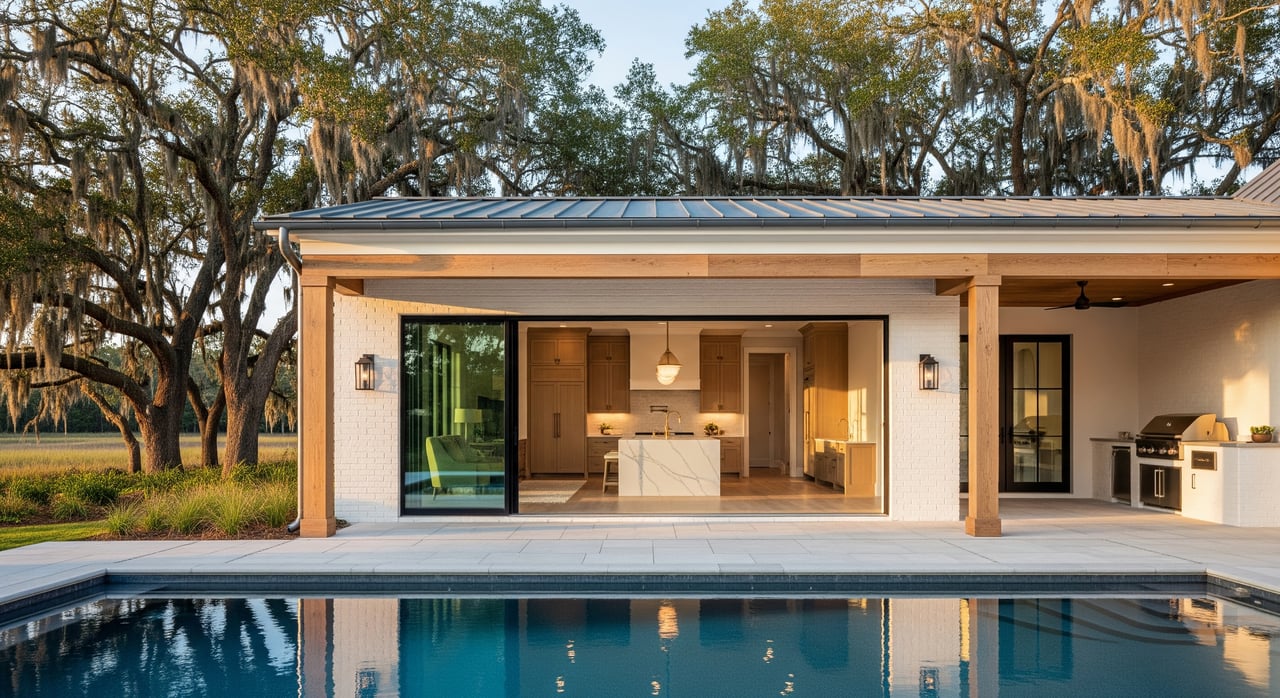
Year‑round outdoor time is part of the Pooler lifestyle, so buyers value spaces that reduce bugs and heat while staying low‑maintenance. Covered or screened porches with ceiling fans are big wins. Durable decking, exterior outlets, and a gas stub for a grill keep weekend entertaining simple.
Landscapes that favor native plantings and smart irrigation are easier to care for and more resilient in heavy rain. If you need privacy or a secure play area, ask about fencing options and any HOA rules about boat or RV parking before you buy.
Resilient outdoor design
- Screened porches for mosquito control near marshy areas.
- Grading, French drains, or swales to move water away from the home.
- Hardscapes and patios designed to handle heavy downpours.
Storm and flood resilience
Coastal storms and localized flooding are real considerations in Chatham County. Features that reduce risk can protect your investment and make resale smoother. On certain parcels, elevated finished floors, impact‑rated windows or shutters, and reinforced roof‑to‑wall connections are smart adds. Flood‑resistant materials on lower levels and mechanical systems set on elevated platforms can limit damage.
Before you write a contract, review FEMA Flood Insurance Rate Maps for the lot, confirm any required elevation, and ask for the home’s grading and drainage plan. Insurance costs and flood zone labels matter, so documented mitigation helps buyers feel confident.
What to ask builders about flood
- Will you provide an elevation certificate, if applicable?
- How is stormwater managed on this lot, and where does it drain?
- Which flood‑resistant materials are used on lower‑level finishes?
- Where are HVAC, water heater, and electrical panels located?
Kitchens, primary suites, storage, and garage
Kitchens and primary suites still drive many buyer decisions. In the kitchen, an open layout with a functional island, durable countertops like quartz, a walk‑in pantry, and soft‑close cabinetry are popular. Energy‑efficient appliances round out a solid package.
Many Pooler buyers appreciate a main‑level primary suite, walk‑in closets, and an en‑suite with dual sinks and an accessible shower option. Storage throughout the home is essential. In the garage, aim for at least two bays, with extra depth or a third bay if you have tools or recreational gear. Align finish level and add‑ons with neighborhood expectations to avoid over‑improving.
Resale impact: what tends to matter in Pooler
While every neighborhood is different, certain themes show up again and again. Features that improve comfort, reduce monthly operating costs, and reduce storm or flood risk often increase marketability. Functional floor plans with flexible rooms and ample storage usually outperform trendy finishes.
Outdoor living spaces that extend usable square footage can be a strong selling point in our climate. Documented energy performance and mitigation details, such as a HERS score, recent utility history, or elevation certificates, can help buyers and appraisers compare your home with similar options. Smart‑home infrastructure that avoids vendor lock‑in is a plus since it supports many systems over time.
Buyer checklist for model tours and contracts
Use this quick list to keep your options focused and your documentation tight.
Documentation to request
- Detailed spec sheet for HVAC (including efficiency ratings), insulation R‑values, window specs, and water heater type.
- Appliance list with energy ratings and any available home performance documentation, such as a HERS score.
- Warranty coverage for structural, mechanical, and finishes, plus service response timelines and transferability.
- Flood‑elevation certificate if applicable, site grading/drainage plan, and confirmation of storm tie‑downs or impact windows.
- HOA covenants and rules, including exterior standards and boat/RV parking policies.
- List of included smart features and any required subscriptions.
Questions to ask on site
- What is included in the base price versus optional upgrades? Are “standards” written into the contract?
- Can I see examples of flashing, waterproofing, and elevated construction details?
- How is humidity controlled? Ask about duct sealing, attic insulation, and mechanical ventilation.
- Is the home solar‑ready? Where will EV and solar equipment be located?
- What is the warranty and post‑close service process, and who handles it locally?
- For smart systems, who owns the account and how do devices transfer at closing?
Quick on‑site inspection tips
- Check grading and that downspouts drain away from the foundation.
- Confirm garage depth and storage options. Note space for tools, boats, or trailers if needed.
- Verify porch coverage and screening. Test windows, doors, and weather stripping.
- Note proximity to major roads and planned nearby development that could affect resale.
How to choose your must‑haves
- Start with comfort: Prioritize HVAC with dehumidification, insulation, and windows that perform in hot‑humid conditions.
- Run the numbers: Consider long‑term operating costs and available incentives when choosing energy upgrades.
- Match the market: Align square footage and finish levels with neighborhood comps to protect ROI.
- Plan for tech: Choose infrastructure first, such as wiring, conduit, and mesh‑ready access points. Devices can change over time.
- Think resilience: Verify flood maps, elevation, and drainage before committing to a lot or plan.
- Phase the cosmetics: It can be smarter to lock in structure, systems, and layout now and refresh finishes later.
Ready to shop new construction in Pooler?
If you want a calm, teacher‑style guide as you compare builders and options, you are in the right place. Let’s focus your budget on features that fit life in Pooler today and support resale tomorrow. Reach out to Juanita Lowery to tour models, review specs, and craft a smart upgrade plan.
FAQs
Which upgrades deliver the best resale in Pooler?
- Focus on comfort and cost control first, such as efficient HVAC with humidity management, insulation, and quality windows, then add functional space like an office or screened porch that aligns with neighborhood comps.
Are solar panels worth it for Pooler homes?
- It depends on roof orientation, utility rates, federal incentives, HOA rules, and your time horizon; request site‑specific estimates and compare payback before committing.
How important is flood elevation on resale in Chatham County?
- It is critical in at‑risk areas; buyers care about flood zone labels and insurance costs, so provide elevation certificates and documented mitigation to support confidence.
What smart‑home features should I include in a new build?
- Choose infrastructure first, including structured cabling, camera prewires, EV circuits, and mesh‑ready access points; avoid vendor lock‑in and ongoing fees when possible.
Should I spend on high‑end finishes or more square footage?
- Prioritize durable, neutral finishes and functional layout that match neighborhood expectations; over‑improving can reduce ROI compared with right‑sized space and storage.