Wondering what everyday life looks like in Richmond Hill when your calendar is packed with work, school, and sports? You’re not alone. Many families choose this coastal Georgia city for its suburban feel, strong community vibe, and easy access to Savannah. In this guide, you’ll see what to expect day to day, from commute times and childcare to parks, shopping, and practical planning. Let’s dive in.
Commute and work rhythm
If you work in Savannah or nearby employment hubs, you’ll likely drive. The main connections are US-17 and state routes that link Richmond Hill to downtown Savannah, the Port of Savannah, Pooler, and military installations.
- Typical commute times: Around 20-45 minutes into parts of Savannah, depending on your starting point, destination, and rush-hour traffic.
- Parking and errands: In-town driving is straightforward. Most errands happen in shopping areas and strip centers with easy parking.
- Public transit: Options are limited in this part of Bryan County. Plan on a car-first lifestyle.
Remote or hybrid work is common for some households. Broadband access varies by subdivision, with cable and DSL widely available and fiber expanding in select areas. If you plan to work from home, verify provider options and speeds at the exact address before you write an offer.
School day and childcare
Bryan County Schools serves Richmond Hill, with multiple elementary, middle, and high school options. Families often point to active sports programs and community involvement. For the most current academic data, check the district and state report cards.
- School routines: Expect standard school hours with after-school activities and youth sports.
- Childcare: Daycares, preschools, and aftercare programs are available locally, but capacity can be tight in fast-growing neighborhoods. Early enrollment is a smart move.
- Enrichment: You’ll find youth sports leagues, dance and gymnastics studios, music lessons, scouting organizations, and seasonal camps hosted by local parks and community centers.
Libraries and school media centers offer storytimes, tutoring support, and family-friendly programming, which can be a helpful, low-cost way to add enrichment to your week.
Parks and coastal access
If you love the outdoors, you’ll have plenty of options for quick outings and weekend adventures.
- Local parks and riverfront spots: Expect playgrounds, picnic areas, walking paths, boat ramps, and fishing access along the Ogeechee River.
- Fort McAllister State Historic Park: A nearby favorite with trails, picnic areas, history programs, and tidal marsh access for day trips and outdoor learning.
- Beaches and barrier islands: Richmond Hill is inland, but many families plan 30-60+ minute day trips to reach select coastal beaches and islands. Travel time depends on destination and traffic.
The climate supports outdoor time most of the year. Spring and fall are peak seasons for parks and sports. Summers are hot and humid, so shaded playgrounds and water activities become top picks.
Everyday shopping and dining
Day-to-day errands are simple in town. You’ll find a mix of local grocery stores and national chains nearby. For big-box shopping and specialty retail, many residents head to Pooler or Savannah.
Dining tends to favor family-friendly restaurants, local seafood and Southern dishes, and national chains, which makes weeknight meals easy. Neighborhood commercial areas offer coffee shops, quick-serve spots, and service providers close to home.
Healthcare and wellness
You can access routine care within Richmond Hill, including primary care, dental, pediatric, and urgent care services. For full-service hospitals and specialty providers, most families drive into Savannah. Plan 20-40 minutes depending on traffic and the facility you’re visiting.
Expectant parents and anyone with specialist needs should factor travel time into scheduling. Many families batch appointments or choose providers near their workplace to streamline the day.
Housing and neighborhood styles
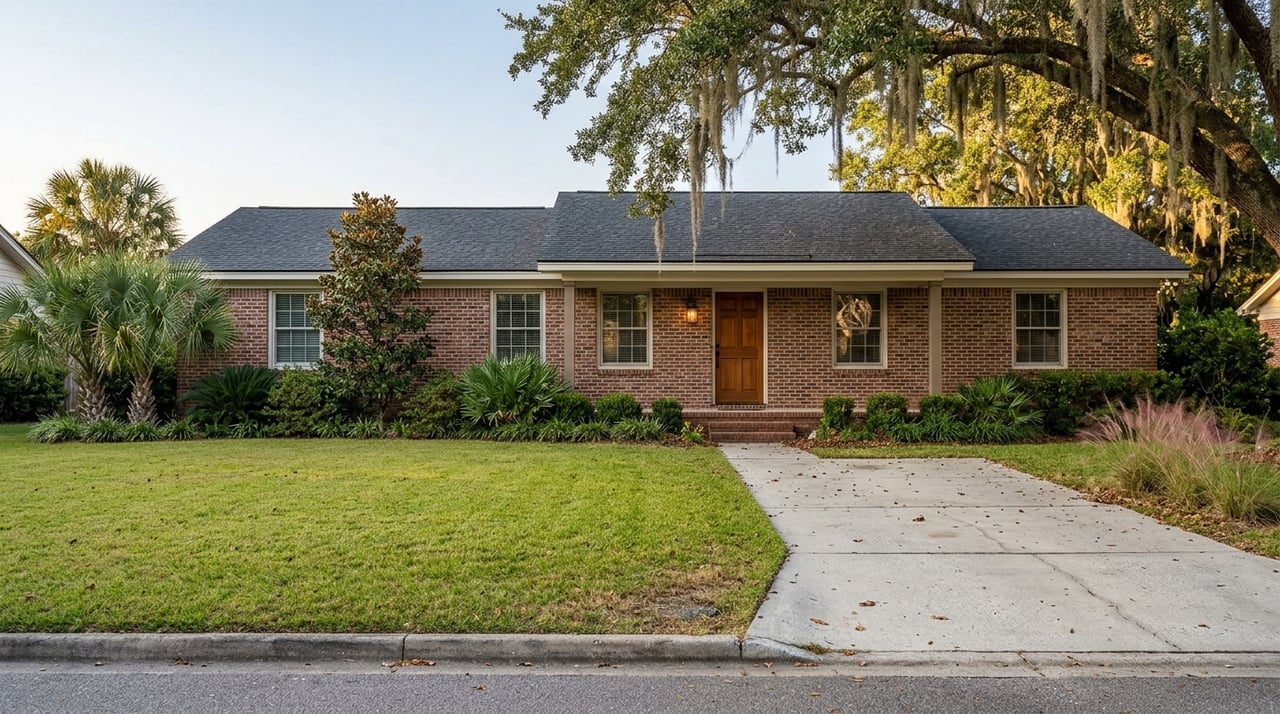
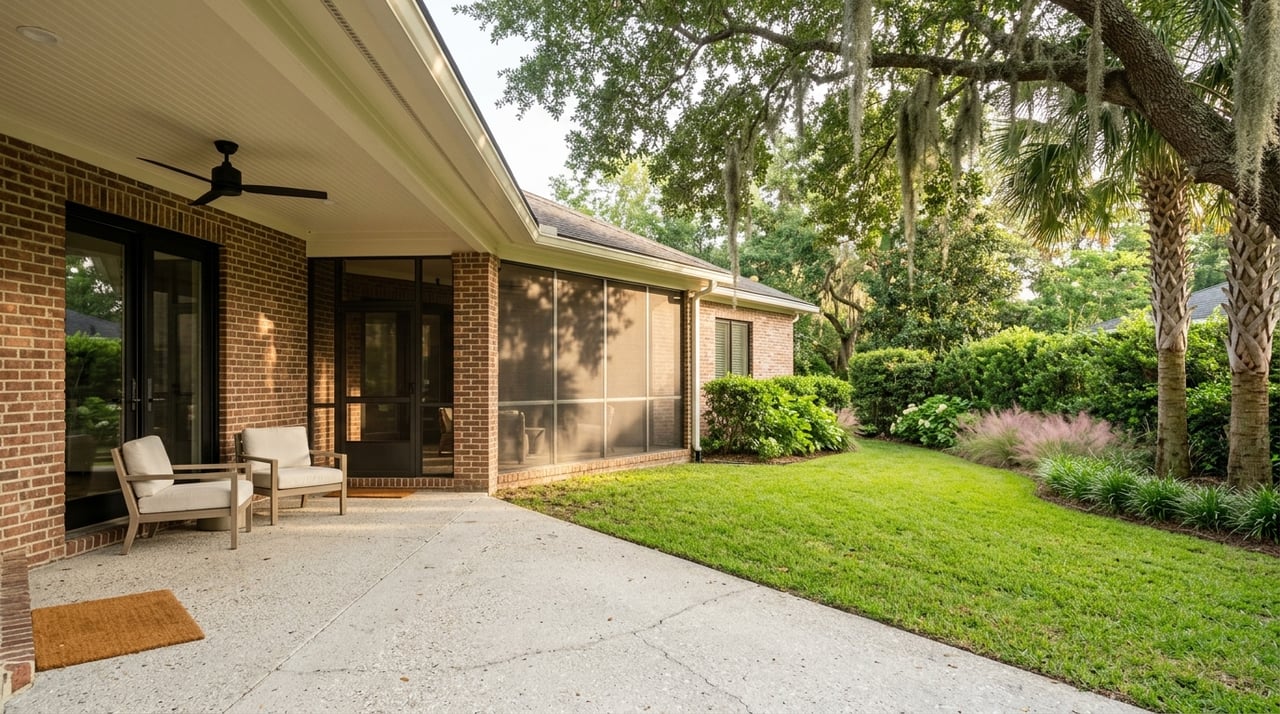
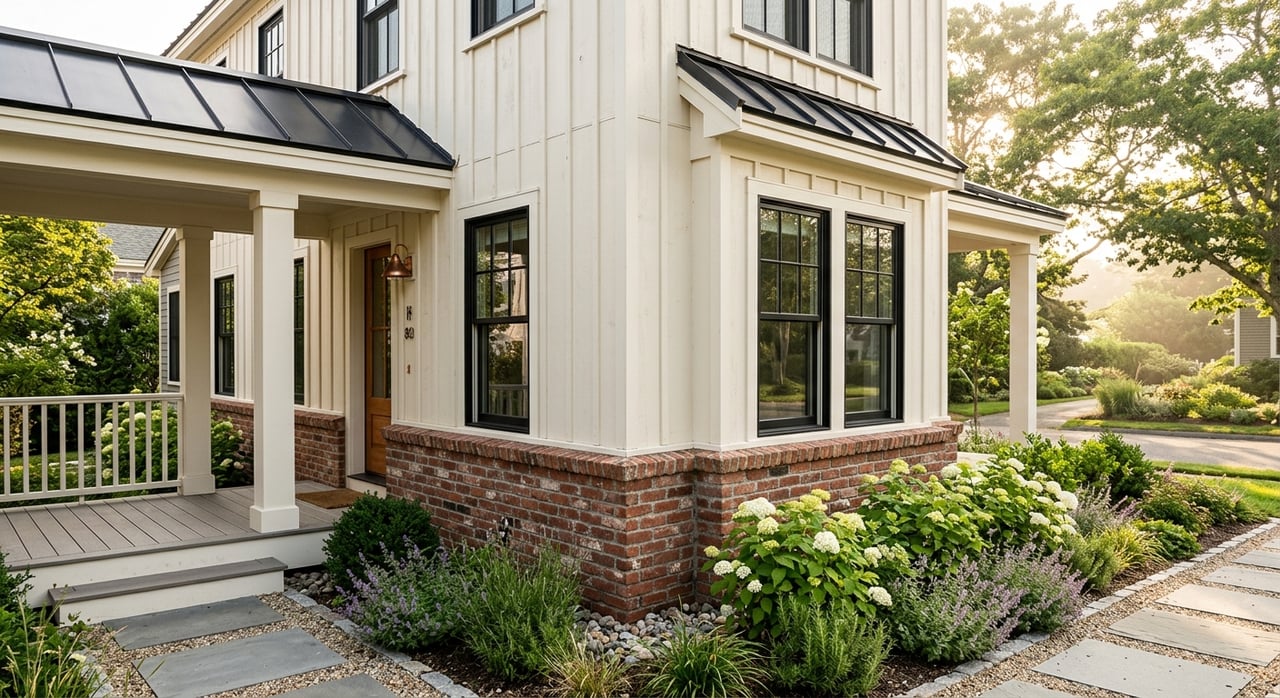
Richmond Hill’s housing stock leans toward single-family homes in subdivisions and newer developments. Yards and garages are common, and styles reflect suburban construction from the last 10-20 years.
- HOAs: Many newer neighborhoods have homeowners associations that maintain amenities and common areas. Budget for HOA fees in planned communities.
- Lot sizes: Dimensions vary by subdivision. If a larger yard for play is a priority, confirm lot size and setbacks before you buy.
- Market check: The area has seen growth-driven demand. For current pricing, inventory, and days-on-market, review local MLS data and county records to understand today’s trends.
Weather and risk planning
Coastal Georgia’s humid subtropical climate brings hot summers and mild winters. Hurricane season runs June through November, and tropical systems can affect the area.
- Flood risk: Some properties near tidal rivers or in lower elevations may be in flood zones. Check FEMA flood maps and county floodplain resources to confirm a property’s risk.
- Insurance: Flood insurance is separate from homeowners insurance and may be required by lenders or advisable based on location.
- Preparedness: Review local evacuation routes and make a family plan. Keep storm supplies on hand and stay tuned to local emergency management updates during hurricane season.
Utilities and internet
Service details can vary by subdivision and whether the property is within city or county systems.
- Water and sewer: Confirm whether the home is on city or county utilities, or a private well and septic system.
- Broadband: Cable and DSL are common; fiber is expanding but not universal. Check speeds and providers by exact address.
- Daily bills: Ask for recent utility averages during your home search to understand typical monthly costs.
Community life and events
Community events are a big part of Richmond Hill’s culture. You’ll see seasonal festivals, holiday celebrations, farmers markets, and local concerts throughout the year. Families also connect through Rotary clubs, parent groups, youth sports boosters, and faith-based organizations.
Military families are a visible part of the community, and you’ll find networks and support services designed for frequent relocations. This can make settling in smoother if you’re moving on a tight timeline.
A sample week for busy families
Here’s how a typical week might flow, based on common routines in Richmond Hill:
- Monday: School drop-off, commute on US-17, after-school soccer practice, quick dinner at a local family restaurant.
- Tuesday: Work-from-home day with a midday walk at a nearby park, evening music lessons.
- Wednesday: Pediatric visit in town and a grocery run, homework and library storytime.
- Thursday: Commute to Savannah, aftercare pickup, swim practice.
- Friday: Early release or regular pickup, community event or food truck night.
- Saturday: Morning games at the local sports complex, afternoon boating or fishing on the Ogeechee River.
- Sunday: Day trip to a nearby barrier island or picnic and trails at Fort McAllister.
Smart checklist for your move
Use this quick list to make your Richmond Hill transition smoother:
- Test your commute during peak hours from the addresses you’re considering.
- Verify school assignments through Bryan County Schools and review state report cards.
- Confirm childcare availability and join waitlists early if needed.
- Check FEMA and county flood maps for each property.
- Verify broadband providers and speeds by address.
- Review HOA documents, fees, and amenities before you submit an offer.
- Confirm utility setup: water, sewer, trash, and any well/septic details.
- Plan for hurricane season: evacuation routes, supplies, and insurance.
Next steps and local help
Richmond Hill offers a family-centered lifestyle with parks, programs, and convenient everyday services. The key trade-offs are commute time, property-specific flood risk, and ensuring the right internet and utilities for your needs. If you want a calm, suburban base with easy access to Savannah and the coast, Richmond Hill is worth a close look.
If you’re ready to explore neighborhoods, compare commute routes, and find the right fit for your family’s routine, reach out to Juanita Lowery. You’ll get patient, local guidance and end-to-end support to move with confidence.
FAQs
How long is the commute from Richmond Hill to Savannah?
- Many residents report 20-45 minutes into parts of Savannah, depending on your exact origin, destination, and rush-hour traffic.
What should I know about schools in Richmond Hill?
- Bryan County Schools serves the area. Review district and Georgia state report cards for the most current academic and extracurricular information.
Is flood insurance required for Richmond Hill homes?
- It depends on the property’s location and lender. Check FEMA and county floodplain maps; flood insurance may be required or advisable.
Are there beaches near Richmond Hill for day trips?
- Yes. Families often plan 30-60+ minute drives to select coastal beaches and barrier islands, with timing affected by destination and traffic.
How reliable is internet for remote work in Richmond Hill?
- Cable and DSL are common, and fiber is expanding but not everywhere. Confirm providers and speeds at the exact address before you buy.
What local healthcare options do families have?
- You’ll find primary care, pediatrics, dental, and urgent care in town. Full-service hospitals and many specialists are in Savannah, typically a 20-40 minute drive.