If you are trying to choose between a brand-new home and an existing one in Richmond Hill, you are not alone. With the city growing quickly and more housing options coming online, many buyers are weighing the appeal of shiny new finishes against the confidence of seeing a completed home in person. The good news is that both paths can work well here, and the right fit often comes down to your timeline, your budget, and how much certainty or customization you want. Let’s dive in.
Why this choice matters in Richmond Hill
Richmond Hill has been growing fast, and that growth is shaping the housing conversation. The U.S. Census Bureau estimated 19,839 residents in 2024, up 19.2% from the 2020 census base, while the city’s comprehensive plan shows housing units increased from 2,639 in 2000 to 5,030 in 2020.
That kind of growth helps explain why both new construction and resale homes remain important options for buyers. In a market like this, you are not just choosing a house style. You are choosing how you want to balance price, timing, maintenance, and the overall feel of the property.
Richmond Hill market snapshot
Current price points help put the decision in context. As of March 31, 2026, Zillow reports a typical home value of $420,904 in Richmond Hill, with a median sale price of $404,633 and a median list price of $459,667.
Realtor.com reports a median list price of $461.1K and median days on market of 50. Taken together, those numbers suggest a market that centers in the low to mid-$400,000s, with pricing that can shift based on neighborhood, lot, size, and condition.
What new construction offers
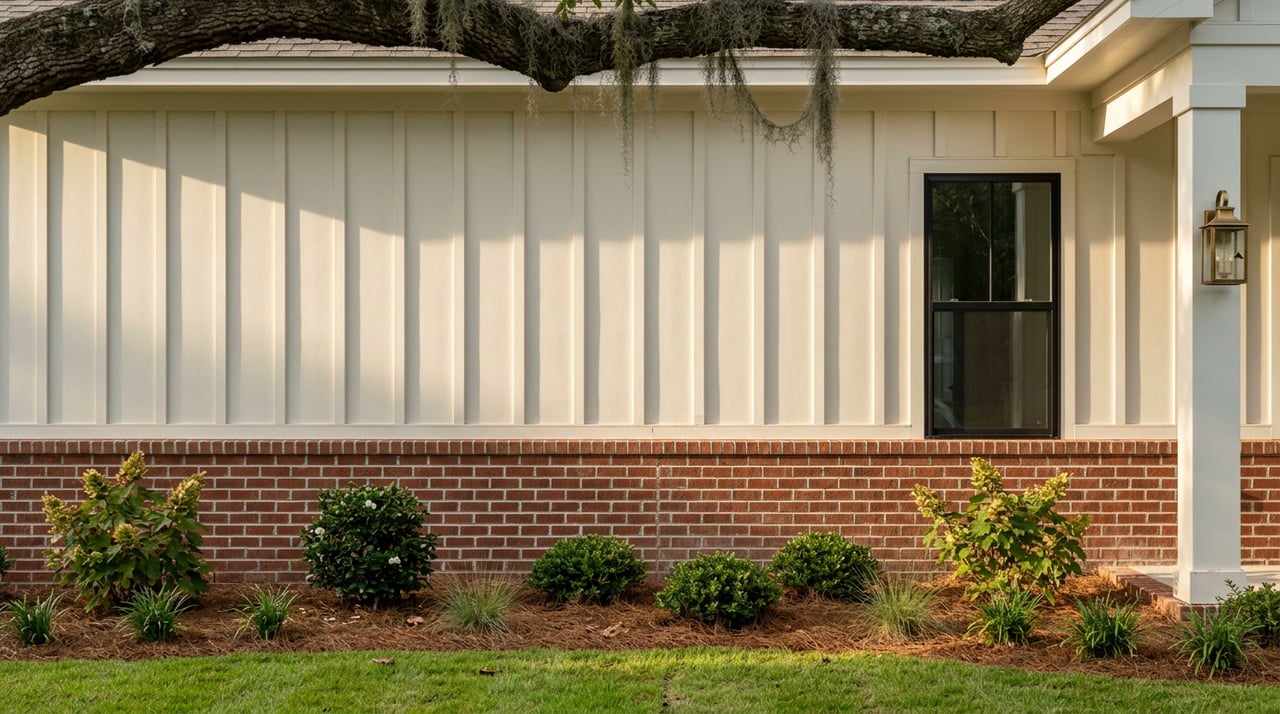
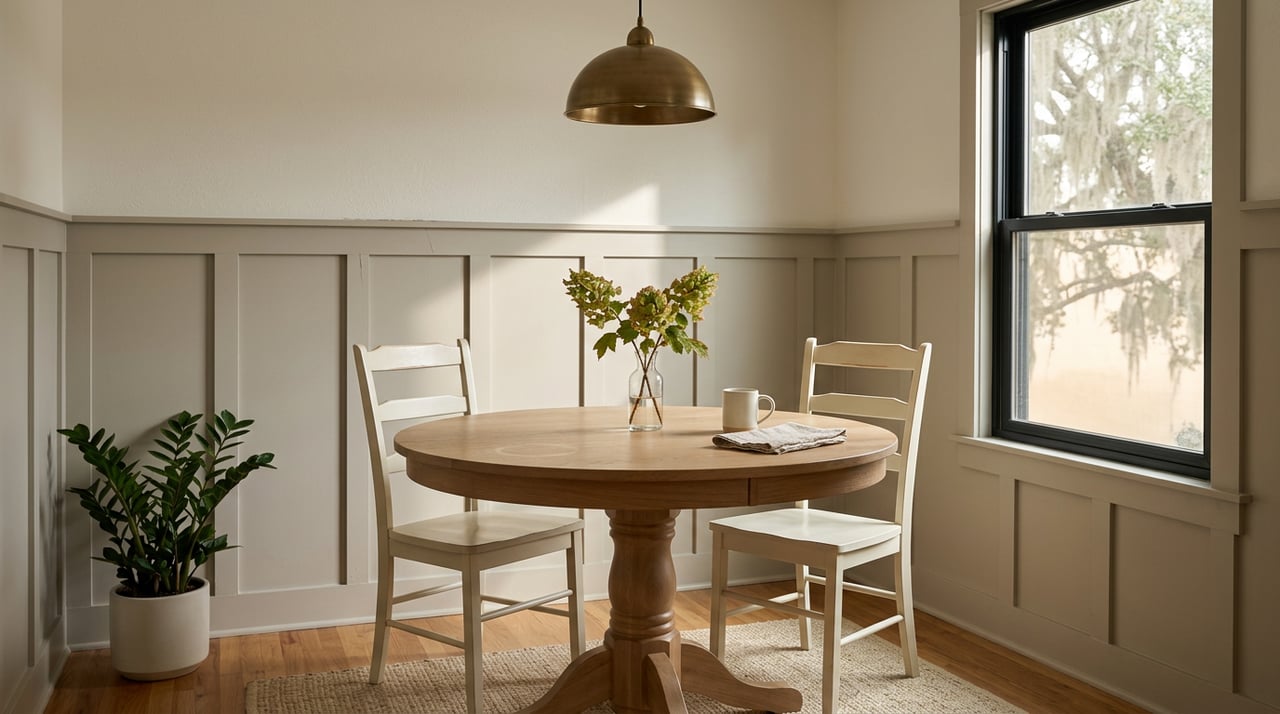
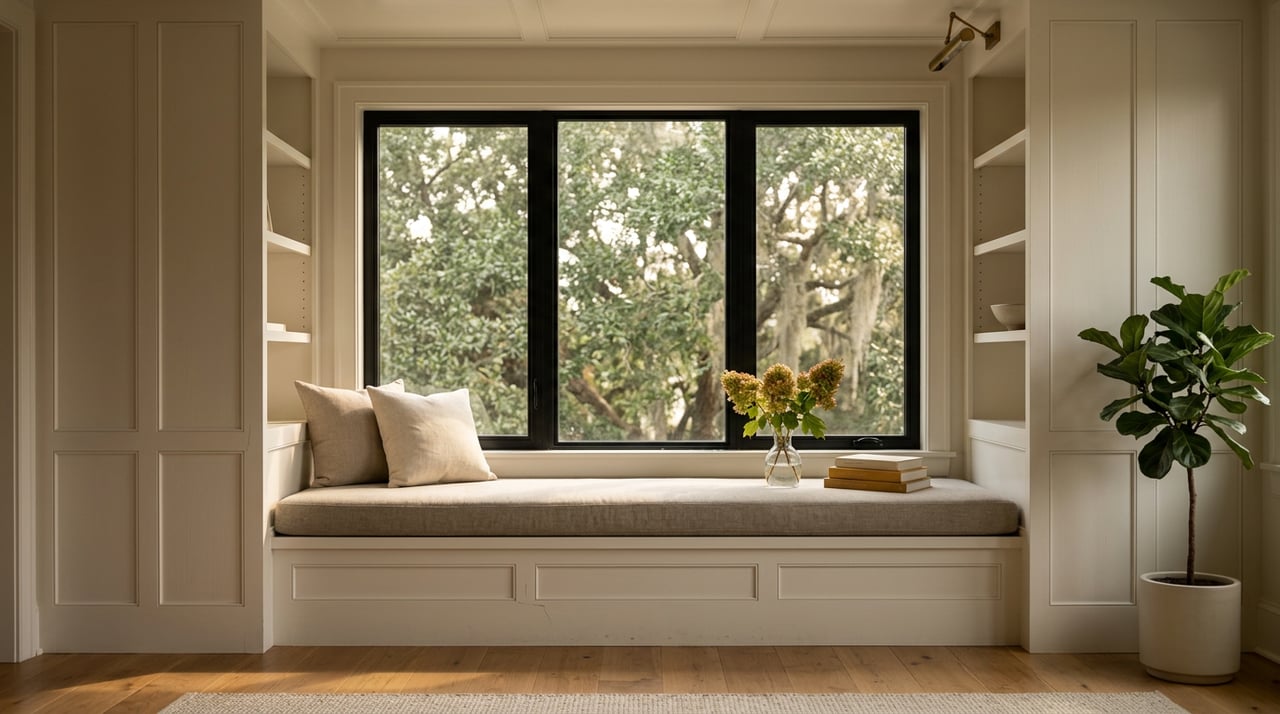
New construction often appeals to buyers who want a home that feels more personalized from day one. In Richmond Hill, builders currently offer opportunities to select finishes such as flooring, cabinetry, lighting, fixtures, and exterior materials before construction begins.
That can be a major plus if you want less updating right after closing. Instead of planning immediate projects, you may be able to move into a home that already reflects your preferences and needs.
More control over finishes
One of the biggest draws of new construction is choice. Depending on the builder and the stage of construction, you may be able to pick design elements that shape the final look and feel of the home.
For many buyers, that sense of control is worth a lot. If you have a clear vision for your kitchen, flooring, or lighting, new construction may help you get closer to it without a renovation later.
Different move-in timelines
Not every new home means waiting many months. In Richmond Hill, builder inventory includes homes that are available now, homes labeled quick move-in, and homes expected to be completed in coming months.
That flexibility can help if you need to line up a move with a job transfer, lease ending, or household schedule. Still, timeline matters, and with any under-construction home, delays can affect your closing date.
Warranty coverage
Warranty protection is another meaningful advantage. Georgia law requires licensed residential contractors to offer a written warranty on qualifying single-family residence contracts over $2,500.
Builder warranty programs can also include coverage for workmanship, systems, and structural components for set periods of time. If peace of mind after closing matters to you, this is an area where new construction can stand out.
A wider price range than many buyers expect
New construction in Richmond Hill is not all priced the same. Current builder examples range from the low $400,000s to the low $600,000s.
That means some newly built homes are priced close to the city’s median sale price, while others with larger plans or more upgrades sit well above it. If you are comparing new construction to resale, it helps to look beyond the starting price and ask what is actually included.
What resale homes offer
Resale homes give you something very valuable: the ability to see the exact home and setting before you commit. You can walk the property, study the layout, look at the landscaping, and get a feel for the street and surroundings as they exist today.
That level of visibility can be especially helpful in a growing city like Richmond Hill. The city’s planning and zoning department oversees development review, permitting, inspections, code enforcement, and floodplain management, while local development standards regulate features like buffering, landscaping, building location, lot size, and overlay districts.
A finished product you can evaluate
With a resale home, what you see is what you are buying. You can evaluate room sizes, lot shape, driveway layout, natural light, storage, and how the home sits on the property.
You can also notice things that do not always show up clearly on a floor plan. For some buyers, that certainty makes the decision feel easier and less stressful.
Established surroundings
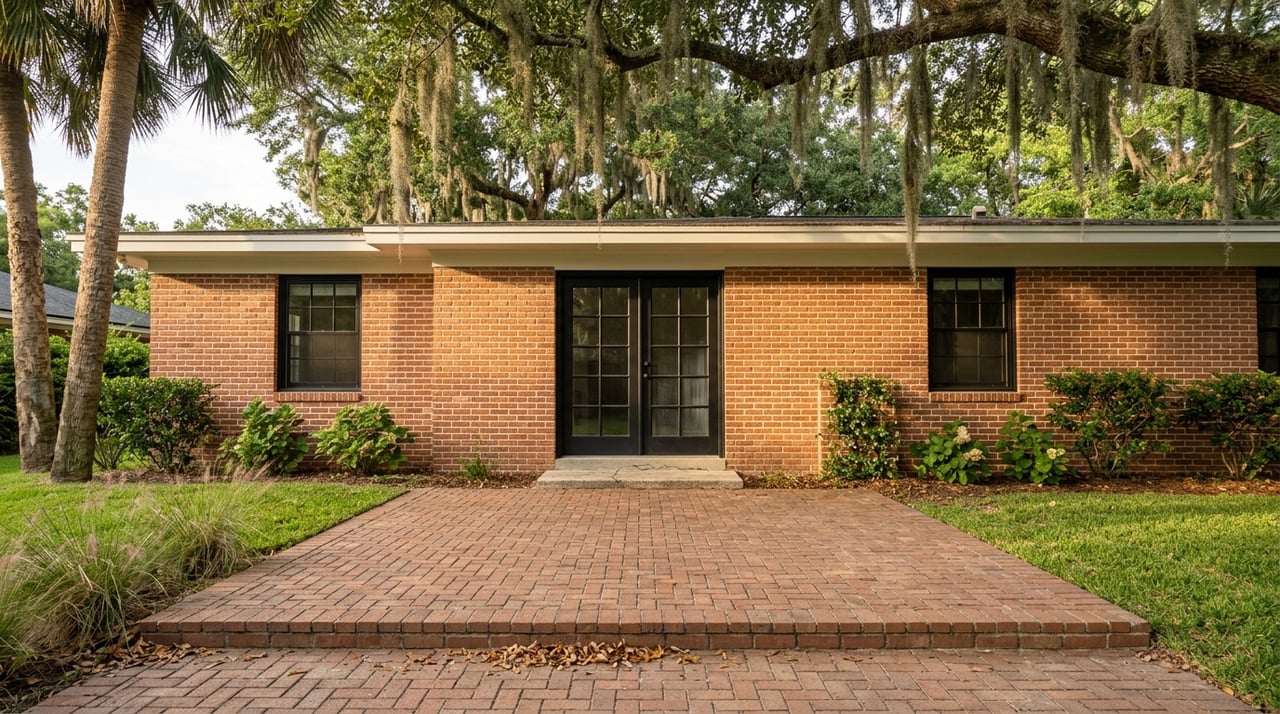
Many resale homes are in areas with more mature landscaping and a more settled street pattern. If you care about how a block feels today, resale can give you a more complete picture than a neighborhood still being built out.
This does not automatically make resale better. It just means you may have more visual information upfront, which can help if surroundings matter as much to you as the home itself.
Real-time market comparison
Resale homes also give you a practical benchmark for what buyers are doing right now. Zillow reports 249 homes for sale in Richmond Hill, with a median sale-to-list ratio of 0.996 and median days to pending of 36, while Realtor.com reports 50 median days on market.
That tells you the resale market is active, but not always instant. You may still need to move quickly on the right property, yet you also have the benefit of inspecting a completed home before moving forward.
Flooding and drainage deserve attention
Whether you buy new construction or resale, flood and drainage conditions should be part of your decision. Bryan County notes that flood risk can exist even away from the river or coast, and FEMA flood zone maps help determine flood insurance requirements and rates.
The county also notes that coastal floodplains include marshes, tidal flats, and estuaries. Richmond Hill’s stormwater program adds that developed properties contribute runoff and recurring drainage problems, which makes lot-specific questions especially important.
What to review before you commit
When you compare homes, pay attention to more than the house itself. You will want to understand the lot, drainage patterns, and whether floodplain factors could affect insurance, maintenance, or long-term comfort.
For new construction, ask how lot grading is handled and whether stormwater management has been addressed for the homesite. For resale, ask the seller whether there have been any drainage, flooding, or moisture issues and review all available disclosures carefully.
New construction versus resale: the real tradeoff
In Richmond Hill, the biggest difference is often control versus certainty. New construction can give you more say over finishes, a choice between quick move-in and future completion, and warranty coverage after closing.
Resale can give you more confidence in what already exists. You can see the home, the lot, and the surrounding area as they are today, which can make the decision feel more concrete.
Questions to ask before you choose
The best decision usually comes from asking better questions. Because new homes in Richmond Hill involve permits, inspections, and a certificate of occupancy, and because drainage and flood exposure can matter locally, it helps to go into every showing or builder conversation prepared.
Here are smart questions to keep in mind.
Questions for a builder
- What is the expected completion date?
- Is the home truly move-in ready or still under construction?
- What is included in the base price?
- Which features count as upgrades?
- What warranty coverage is included?
- What exclusions apply, and is the warranty transferable?
- When is the certificate of occupancy expected?
- What could delay closing?
- How is lot grading handled?
- What drainage or floodplain factors affect this homesite?
- Are HOA dues, rules, and amenity completion dates available in writing?
- What finishes, appliances, and smart-home features are standard?
Questions for a resale seller
- How old are the roof, HVAC system, water heater, and major appliances?
- Have there been drainage, flooding, or moisture issues?
- What repairs or renovations have been completed recently?
- Have there been any recent insurance claims?
- Are any warranties transferable?
- Can supporting paperwork be provided?
- What HOA dues, rules, or special assessments apply?
- What is included in the sale?
- What will be removed before closing?
- Why is the seller moving?
- How flexible is the closing date?
Which option may fit you best?
If you like the idea of personalization, lower immediate maintenance decisions, and warranty coverage, new construction may feel like the better match. It can also be a strong option if you need a home that aligns with a future move date instead of an immediate closing.
If you prefer to evaluate the exact home, lot, and neighborhood conditions before making an offer, resale may give you more confidence. It can be especially helpful if you want to compare visible condition, established landscaping, and the overall setting without guessing how it will look later.
A smart way to compare both
If you are feeling torn, you do not have to choose based on assumptions. The best approach is often to compare a few new construction homes and a few resale homes in the same general price range.
That side-by-side view helps you understand what you are really gaining or giving up. Sometimes buyers discover they value customization most. Other times, they realize seeing the exact finished home matters more than picking finishes.
A patient, local comparison can save you time, reduce stress, and help you make a decision that fits both your life and your budget. If you want clear guidance as you weigh your options in Richmond Hill, Juanita Lowery can help you compare new construction and resale homes with confidence.
FAQs
What is the main difference between new construction and resale homes in Richmond Hill?
- New construction usually offers more customization, builder timelines, and warranty coverage, while resale homes let you evaluate the exact finished property, lot, and surroundings before you buy.
How much do new construction homes cost in Richmond Hill?
- Current builder examples in Richmond Hill range from the low $400,000s to the low $600,000s, depending on the plan, upgrades, and homesite.
How competitive is the resale home market in Richmond Hill?
- Zillow reports 249 homes for sale in Richmond Hill, a median sale-to-list ratio of 0.996, and median days to pending of 36, while Realtor.com reports a median 50 days on market.
Why do flood and drainage questions matter for Richmond Hill homes?
- Bryan County says flood risk can exist even away from the river or coast, and Richmond Hill’s stormwater program notes that developed properties contribute runoff and recurring drainage problems.
What should you ask a builder when buying new construction in Richmond Hill?
- Ask about completion date, base price versus upgrades, warranty coverage, certificate of occupancy timing, lot grading, drainage conditions, HOA details, and standard features.
What should you ask a seller when buying a resale home in Richmond Hill?
- Ask about the age of major systems, prior repairs, drainage or moisture issues, insurance claims, transferable warranties, HOA obligations, included items, and closing flexibility.