Wondering what a home style in Richmond Hill really tells you? When you are browsing listings, labels like brick, Lowcountry-inspired, ranch, or newer subdivision home can seem like simple design notes. In reality, they often give you clues about layout, upkeep, outdoor living, and how the home may perform in coastal Georgia’s warm, humid conditions. Let’s dive in.
Why home style matters in Richmond Hill
In Richmond Hill, home style is not just about curb appeal. It can help you quickly understand how a home is built, how you might live in it, and what kinds of maintenance you may need to plan for.
That matters here because Richmond Hill’s housing stock has a strong newer-home presence. The city’s comprehensive plan says about two-thirds of the housing stock was built after 1990, and single-family homes make up roughly 75% of local housing types. Subdivision development has also played a major role in growth, so newer planned communities are a major part of the local market.
Richmond Hill’s coastal setting also shapes what buyers should notice. Bryan County notes that flooding can come from heavy storms, storm surge, higher-than-normal tides, and the Ogeechee River. That means details like drainage, porch exposure, and moisture control should be part of how you evaluate a home from the start.
Style vs. type in listings
Before you read too much into listing photos, it helps to know the difference between a home’s style and its type. Georgia DCA explains that type refers to the overall form, height, and floor plan, while style refers more to exterior appearance and decorative features.
For example, a listing might call a home Craftsman, brick, or Lowcountry-inspired. Those words often describe the look or regional feel. Terms like ranch, two-story, or split-level usually tell you more about the home’s actual shape and layout.
This is especially helpful in Richmond Hill, where many homes borrow a few style elements without following one strict architectural formula. In other words, a porch-heavy exterior may look Lowcountry-inspired, but the floor plan could still function like a standard two-story suburban home.
Traditional brick homes
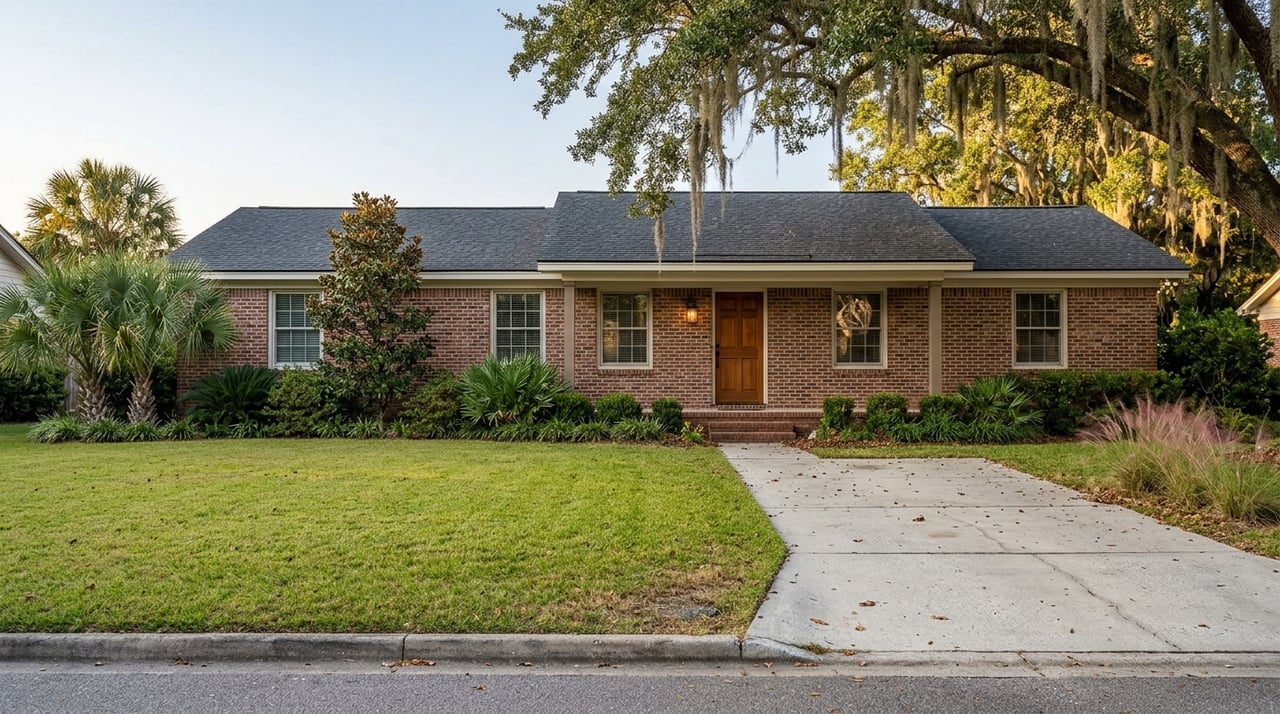
Traditional brick homes are common because they fit well with the area’s suburban Southern character. For many buyers, brick immediately suggests durability and a lower-maintenance exterior.
That impression is often fair, but it is not the whole story. Brick has a long life and can reduce routine paint upkeep, yet it still needs attention over time. Moisture, cracking, and poor masonry repairs can all create problems if they are ignored.
What brick often signals
A brick exterior may point to a home that needs fewer exterior paint cycles than homes with more exposed wood or trim. It can also signal a classic, established look that many buyers find appealing.
Still, brick does not mean maintenance-free living. In Richmond Hill’s humid environment, water management matters just as much as the brick itself. Roof drainage, flashing, and signs of water intrusion deserve close attention.
What to check more closely
When you tour or inspect a brick home, pay attention to:
- Cracking in masonry
- Mortar joint condition
- Spalling, where the brick surface begins to break or flake
- Efflorescence, or white mineral deposits on the surface
- Signs that water may be getting into the wall system
If you like the look of brick, think of it as durable, not worry-free. It often offers a practical balance of appearance and upkeep, but it still benefits from careful inspection.
Lowcountry-inspired homes
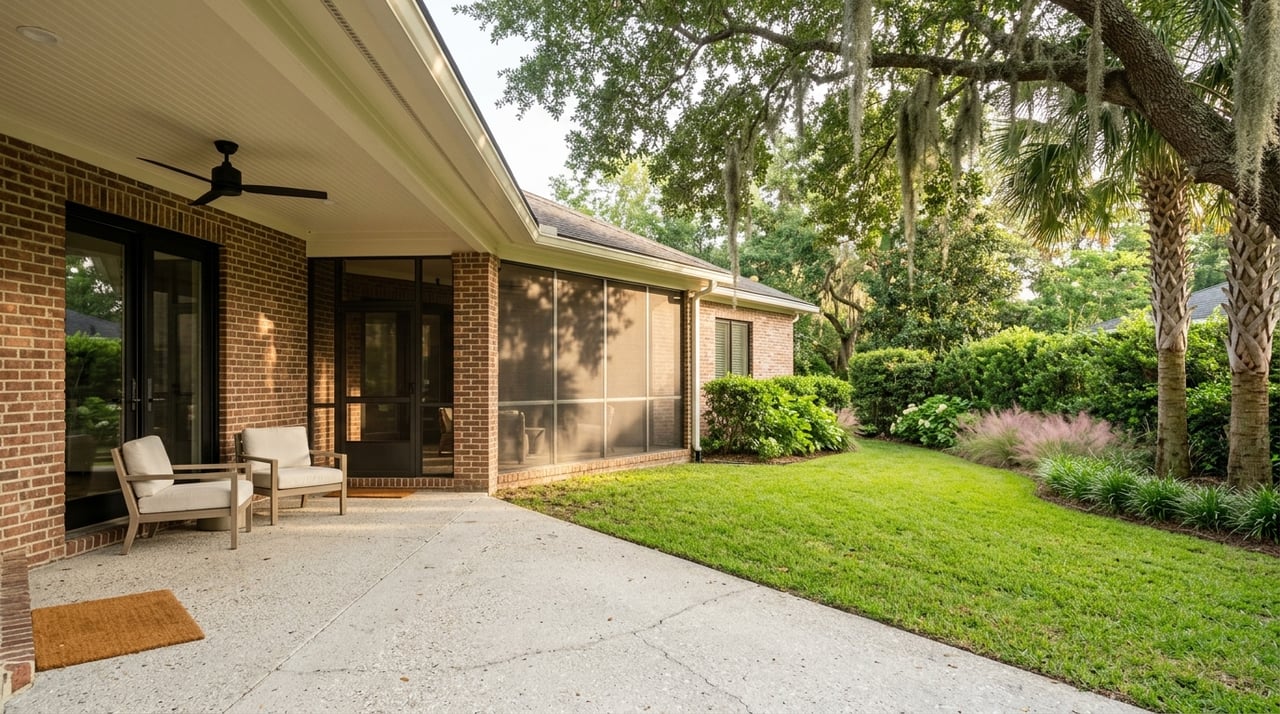
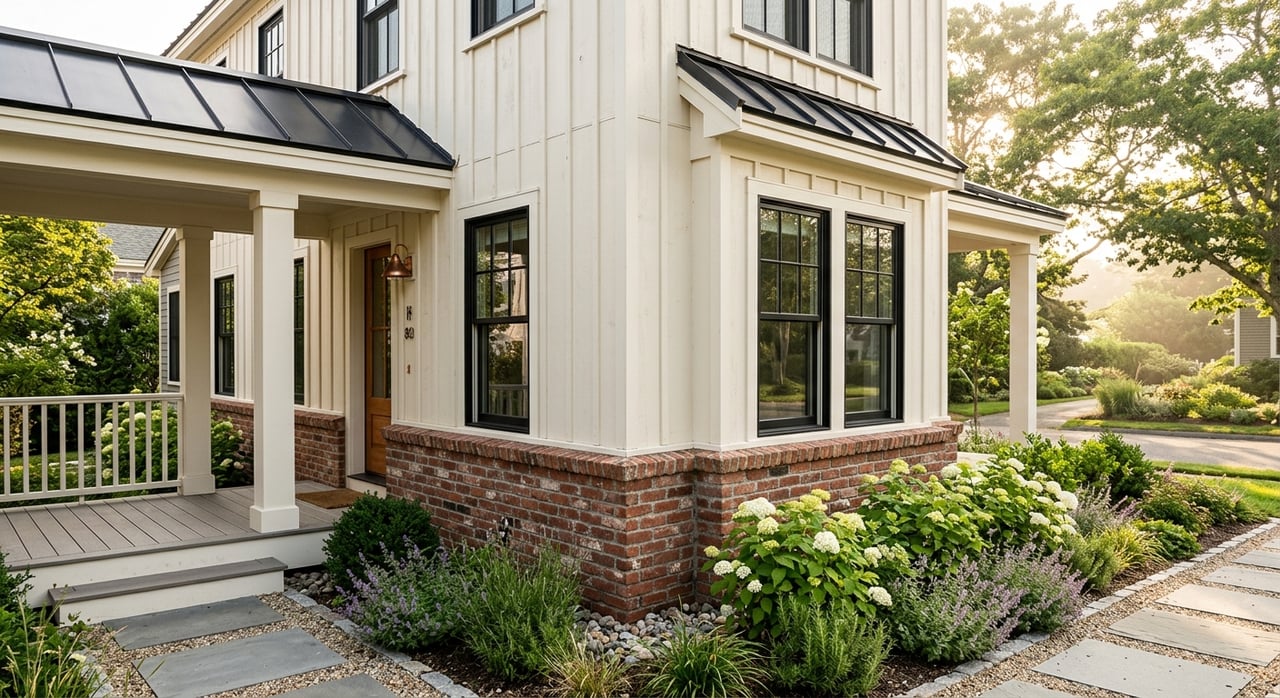
Lowcountry-inspired homes make a lot of sense in coastal Georgia because they are often designed around airflow, porches, and outdoor living. In Richmond Hill, this style usually signals a lifestyle choice as much as a design preference.
The National Park Service describes Lowcountry houses as featuring airy interiors and two-story verandas. In today’s market, that often translates into porch-centered living, stronger indoor-outdoor connection, and more places to sit, gather, or enjoy the yard.
What Lowcountry style often means for buyers
If you are drawn to a Lowcountry-inspired home, you may be looking at:
- Larger or more prominent porches
- More visual connection to the outdoors
- A layout that feels open and airy
- Extra exterior details such as railings, trim, and covered outdoor areas
That can be a great fit if you know you will actually use those spaces. A large porch can add daily enjoyment, but it also adds surfaces that need ongoing care.
The maintenance tradeoff
In Richmond Hill’s hot, humid climate, exposed exterior features tend to need more attention. Porch railings, painted trim, decking, and raised exterior elements may need sealing, repainting, repair, or closer monitoring over time.
Moisture control also matters indoors. EPA guidance supports using tools like air conditioning and dehumidifiers to help manage moisture in humid climates. If a home leans into open-air living, make sure it also has a solid plan for ventilation, leak prevention, and overall moisture control.
Newer subdivision homes
If you browse enough Richmond Hill listings, you will notice that newer subdivision homes are everywhere. That is not a coincidence. The city’s planning documents show that planned development has been a major force in local growth.
Richmond Hill’s comprehensive plan says PUD zoning makes up 54.5% of the city, and much of that land was still undeveloped when the plan was written. The same plan notes that larger planned subdivisions may include smaller lots, townhouses, open space, and amenities in moderate-density areas.
What newer subdivision homes often signal
For buyers, newer subdivision homes often suggest:
- More predictable layouts
- A planned neighborhood setting
- Less private yard to maintain
- A more modern suburban feel, even when exterior styles vary
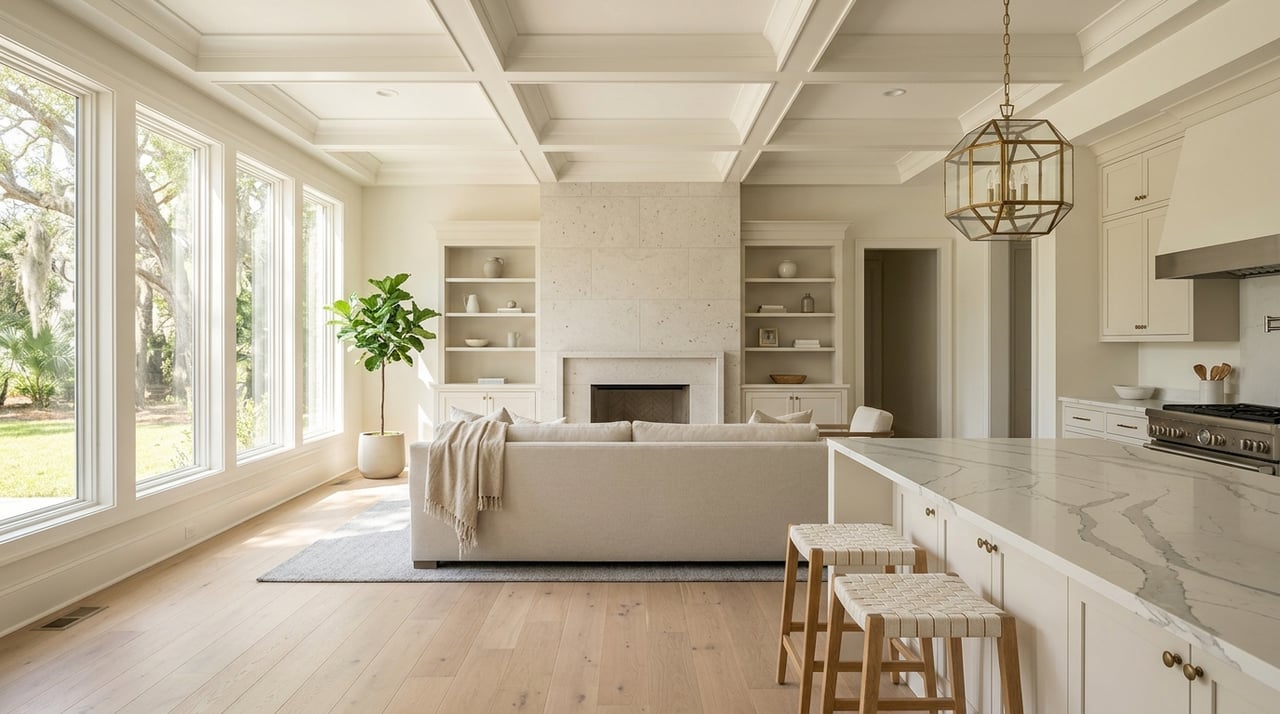
That predictability can be helpful, especially if you are relocating and want a home that feels familiar and functional. It can also make comparison shopping easier because homes in similar communities may share floor plan patterns and lot sizes.
What to think about as you compare
A newer subdivision home may give you convenience and a more streamlined maintenance routine outdoors. At the same time, you may have less yard space or fewer one-of-a-kind design features than you would find in some older homes.
This is where your daily lifestyle matters more than the listing photos. Ask yourself how much outdoor space you want, how much privacy matters to you, and whether the community layout matches the way you want to live.
Ranch homes and practical layouts
Ranch homes remain a useful option for many buyers because they are simple, practical, and easy to understand at a glance. They are usually single-story homes with a low-pitched roof, a simple open floor plan, and often an attached garage or carport.
In Richmond Hill, ranch homes can be a strong comparison point when you are deciding between a traditional brick house, a porch-focused Lowcountry-inspired home, or a newer subdivision build. They often appeal to buyers who want stairs-free living and a more horizontal layout.
What a ranch home may offer
A ranch home often signals:
- Single-level living
- Easier movement between rooms
- Straightforward outdoor access
- A practical, less formal feel
That does not automatically make it the right fit for every buyer. But if convenience and simplicity rank high on your list, a ranch layout may be worth a closer look.
Flood, drainage, and moisture questions
No matter which style you prefer, Richmond Hill buyers should think beyond finishes and floor plans. Bryan County specifically advises buyers to check whether a home is in or near a flood hazard area and to use the interactive flood map. When relevant, buyers should also ask for an elevation certificate.
This is one of the most important local questions you can ask because flood risk is not limited to one home style. A brick home, porch home, ranch, or newer subdivision property can all be affected differently depending on location, site drainage, and elevation.
Smart questions to ask while browsing
As you compare homes, keep these questions in mind:
- Is the property in or near a flood hazard area?
- What exterior features will likely need the most upkeep?
- Does the floor plan match the style label in the listing?
- How much outdoor space do you want to use and maintain?
- What signs of moisture or drainage issues should be reviewed more closely?
These questions can help you move from “I like how this looks” to “I understand how this home may live.” That shift is where confident decisions usually begin.
How to use style as a buying shortcut
The biggest takeaway is simple: in Richmond Hill, home style is a useful shortcut. It helps you estimate daily function, maintenance load, outdoor living potential, and how well the home fits this coastal environment.
A brick exterior may suggest durability with a need for moisture-aware inspection. A Lowcountry-inspired home may offer porch-centered living with more exposed surfaces to maintain. A newer subdivision home may point to a more predictable layout and less yard work, while a ranch may offer practical single-level living.
When you read listings this way, you can narrow your search faster and ask better questions during showings. That can save you time and help you focus on homes that fit not just your taste, but your real life.
If you are planning a move in Richmond Hill, having a local guide can make all the difference. Juanita Lowery brings a patient, teacher-style approach to help you compare home styles, understand what matters locally, and move forward with confidence.
FAQs
What does Lowcountry-inspired mean in Richmond Hill home listings?
- In Richmond Hill, Lowcountry-inspired usually refers to regional design features like prominent porches and airy interior feel, not one strict floor plan.
What does a brick exterior mean for Richmond Hill buyers?
- A brick exterior often suggests durability and lower routine paint upkeep, but buyers should still watch for cracking, mortar issues, and signs of moisture intrusion.
Why are newer subdivision homes so common in Richmond Hill?
- Richmond Hill’s planning documents show that subdivision and planned development have been major drivers of local residential growth, and much of the housing stock was built after 1990.
What should buyers ask about flood risk in Richmond Hill?
- Buyers should ask whether the property is in or near a flood hazard area, review local flood map resources, and request an elevation certificate when relevant.
Are ranch homes a good option for Richmond Hill buyers?
- Ranch homes can be a practical choice if you want single-level living, a simpler layout, and easier day-to-day movement through the home.